One system
runs on the gas
nobody else can use.
The MDRG-MK6-NGT is a turbocharged Brayton-cycle turbine generator. Its core is a novel disc rotor assembly designed for continuous combustion of raw wellhead methane and hydrogen. A direct-drive 95 kW generator supplies electricity and optional Thermal Module provides midgrade steam.
The modular structure of the system allows customization to the well flow; from a single deployment to multi-megawatt EaaS systems.
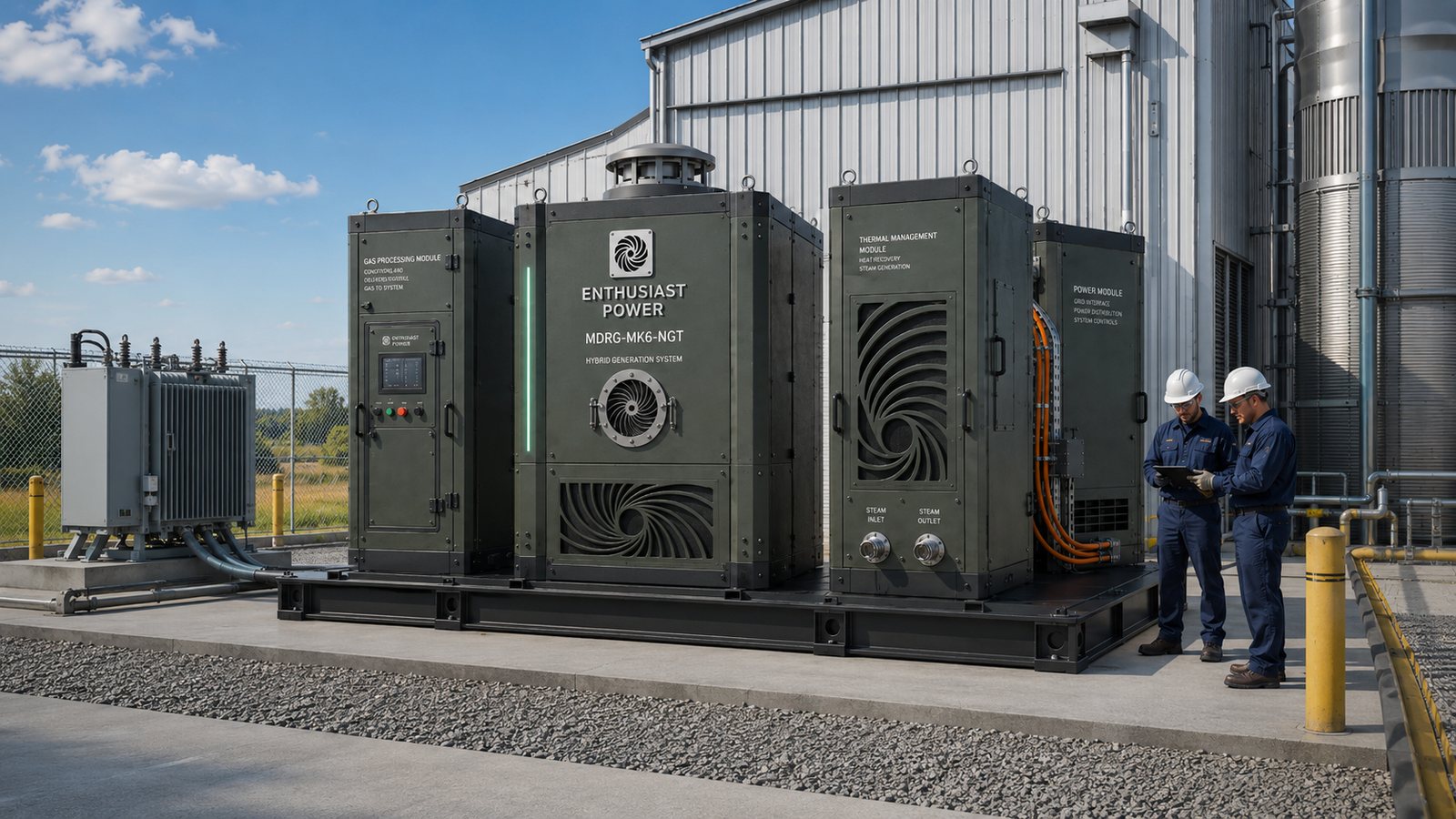
Grid interconnect and behind-the-meter; we have solutions for both.
| Cycle | Turbocharged Brayton | Continuous combustion · no reciprocating mass |
| Nominal output | 75 kWe | 78.7 kWe CFD-validated · +4.9% vs target |
| Generator | 95 kW PMG | High-speed permanent magnet · direct drive, no gearbox |
| Electrical interconnect | 480 V, 3-phase | Grid-tied or behind-the-meter |
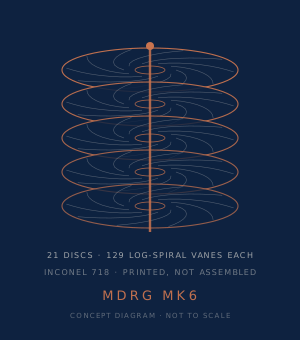
| Rotor | 21 discs | 129 log-spiral vane channels per disc |
| Rotor process | IN718 · single-shot DMLS | Printed as one piece — no welded joints, no assembled vane stack |
| Housing | 8-piece IN718 ring | Interlocking · sealed core, never opened in the field |
| Bearings | Silicon nitride hybrid | Ortech Ceramics · Sacramento CA |
| Fuel | Dewetted wellhead gas | 70% CH₄ minimum · no pre-treatment skid required |
| Fuel drawn | 17 Mcf/day | Operating window 5–75 Mcf/day |
| Configuration | One well, one unit | Never gathered · four units per 75 Mcf/day pad |
| Build lead time | 2 weeks | Print capacity, not castings or long-lead tooling |
| Field install | 2 days | Skid-mounted · 2-person crew |
| Service interval | 8,760 hr | Hot section out as a unit · 2-person crew, one day |
| Program status | Pre-first-fire | Design closure 2026 |
Two legendary inventors, two old ideas,and one regular guy merging both.
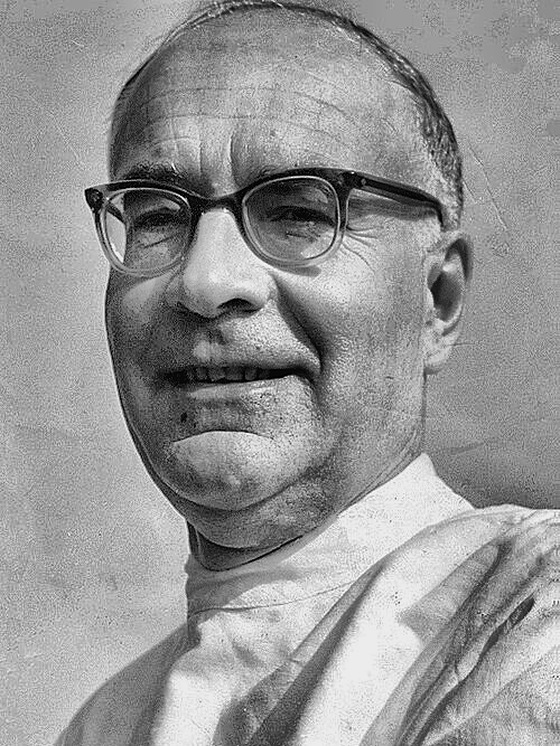
In the summer of 1987 I was ten, I got a new radio-control airplane that had a standard OS Max FP .40 piston engine in it. What I actually wanted was the Graupner / OS Wankel .30; the smallest rotary combustion engine at the time, and it cost far more than the airplane itself. So I went to the school library and read Felix Wankel’s book to learn how it worked.
I believe that reading triggered my dream of a clean energy future. The machine in the dream was not a Wankel. It was a solid circular rotor with the combustion happening around the outside of it. I had no way of knowing it then, but that vision was far closer to what Nikola Tesla had drawn more than sixty years before I was born — The Tesla Turbine. I would not learn about it for another thirty years when it was introduced to me by Roger Billings in 2017.
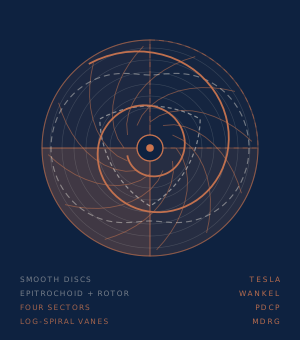
The Planetary Disc Combustion Process (PDCP) was my first engine design in 2004. It had 3 discs - one center drive and two outer ported discs (intake and exhaust). The Multi-Disc Rotary Generator (MDRG) is the evolution that came from it adding Tesla's boundary layer concepts to the assembly, and an internal geometric pattern that solves both warping and low torque; known Tesla Turbine issues.
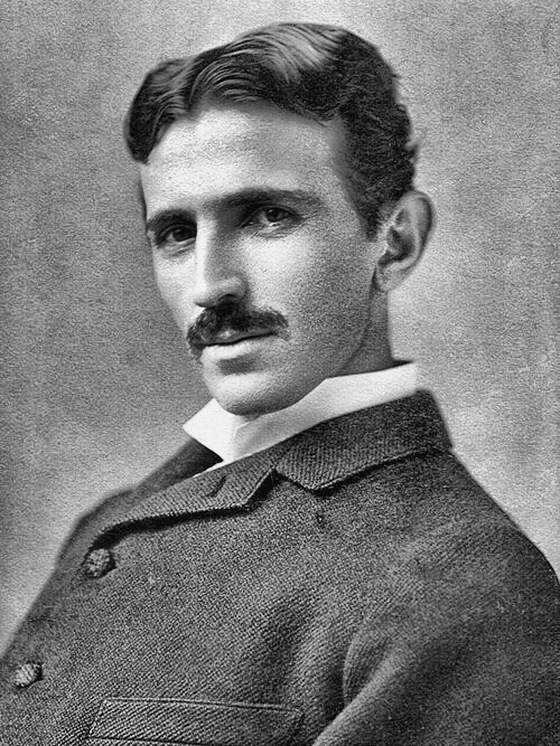
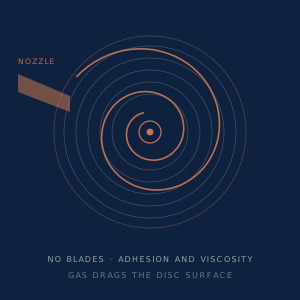
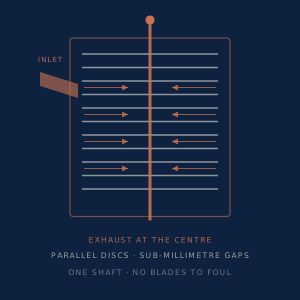
Tesla's bladeless turbine moves gas by adhesion and viscosity at the surface of a spinning disc, rather than by pushing on blades. Forgiving of exactly the dirty, wet, variable gas that destroys precision machinery. Introduced into the program in 2017. It is the half of the machine that tolerates unconditioned wellhead gas.
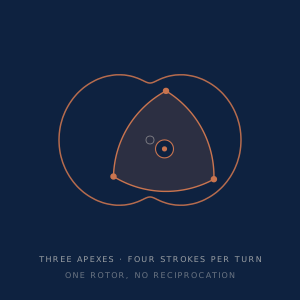
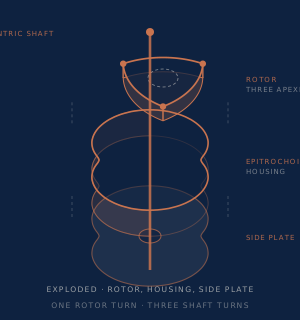
A three-sided rotor turning inside a two-lobe epitrochoid housing. Each face of the rotor completes intake, compression, combustion and exhaust once per revolution, so a single rotor fires three times per turn with nothing reciprocating — no pistons, no valves, no stopping and reversing. More power in less size.

Brian Peck
Laying Tesla's smooth-disc boundary layer and Wankel's rotary geometry over my PDCP engine, it produced the MDRG: a stacked-disc rotor with geometric logarithmic vane channels, continuous combustion, and a direct-drive generator.